

How to Choose the Right TV Stand for Your TV

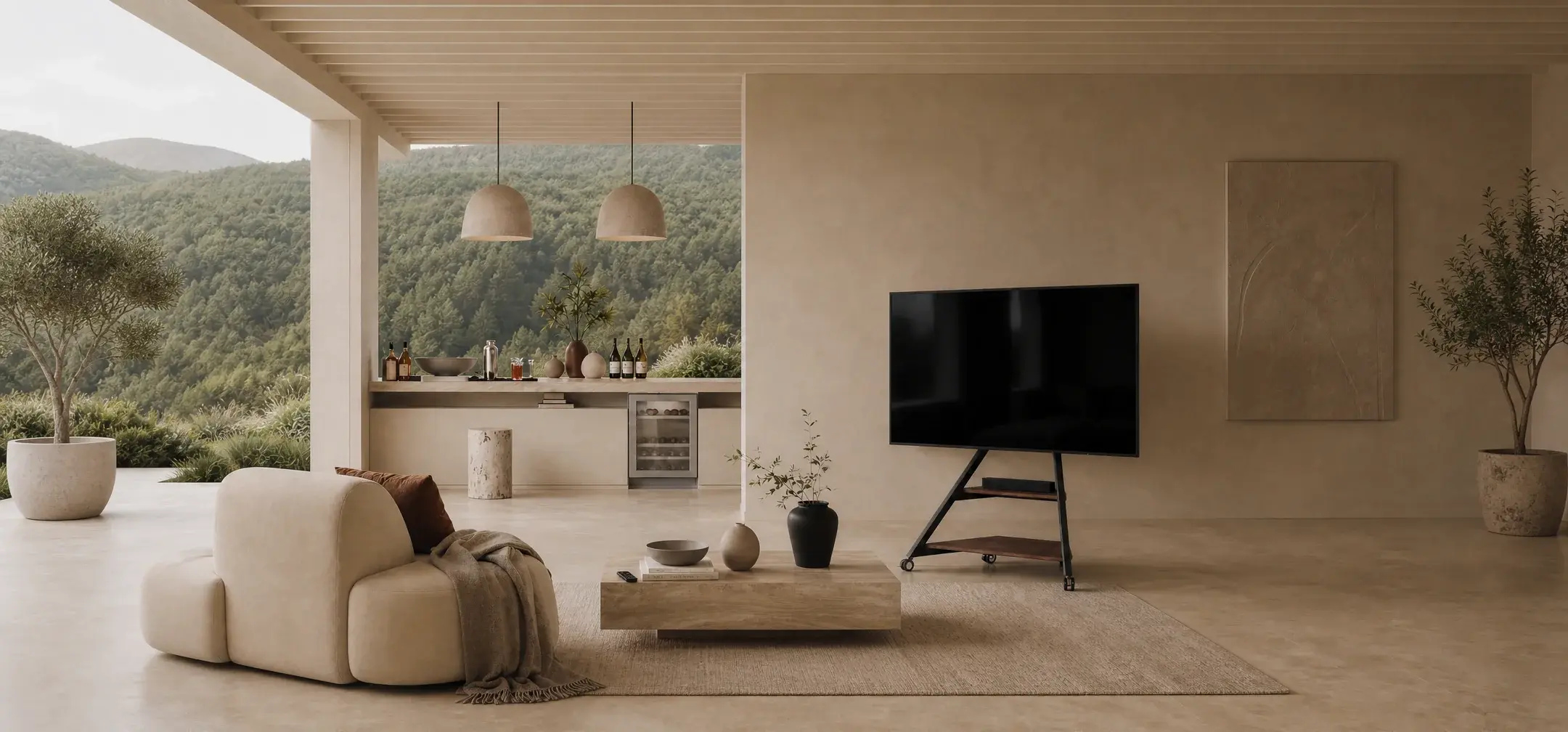
Choosing the right TV stand is about more than finding a piece of furniture that fits beneath your television. The stand needs to support the TV securely, match its size and weight, suit the room, and provide the right viewing position. Depending on your space, you may also want features such as adjustable height, swivel movement, wheels, storage, or cable management.
With so many options available, it can be difficult to know which type of TV stand is right for your setup. This guide explains the most important factors to consider, from TV size and VESA compatibility to stand height, weight capacity, room layout, and the difference between floor stands and traditional TV consoles.
Start With Your TV Size
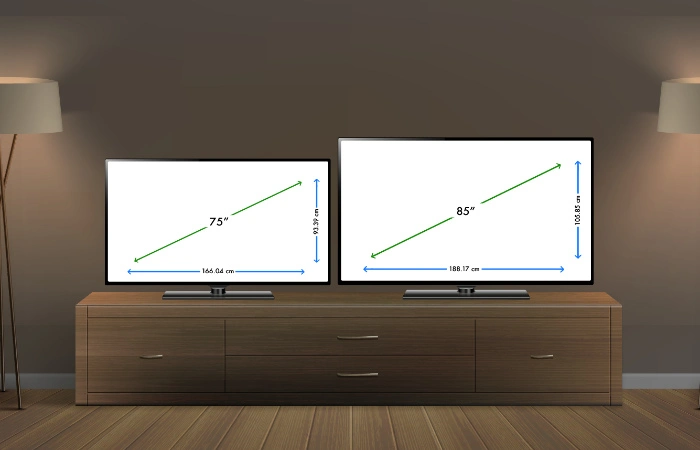
The first step when choosing a TV stand is to check the size of your television. TV sizes are normally measured diagonally, so a 65-inch TV means the screen measures 65 inches from one corner to the opposite corner. However, the diagonal screen size alone does not tell you whether a particular stand will be suitable.
You should also check the television’s actual width, height, weight, and mounting specifications. A stand needs to accommodate the physical dimensions of the TV while providing enough stability for safe everyday use.
Popular television sizes such as 43, 55, 65, 75, and 85 inches can require very different stand configurations. Larger televisions generally need a stand with a higher weight capacity and a sufficiently stable base.
When comparing products, always check the manufacturer’s recommended TV size and maximum supported weight rather than choosing a stand based only on appearance.
Check the TV Stand’s Weight Capacity
Weight capacity is one of the most important specifications to check before buying a TV stand. Your television should never exceed the maximum weight the stand is designed to support.
Two televisions with the same screen size can have different weights because of differences in their construction and technology. For example, an older television and a newer slim-screen model may have very different weights despite having similar screen dimensions.
Look for the maximum supported weight in the product specifications and compare it with the weight of your television. It is also important to consider the stability of the stand itself, particularly when using a large screen.
For larger televisions, a strong base and appropriate mounting hardware become especially important. If you are unsure about compatibility, check your TV’s specifications before purchasing.
Check VESA Compatibility
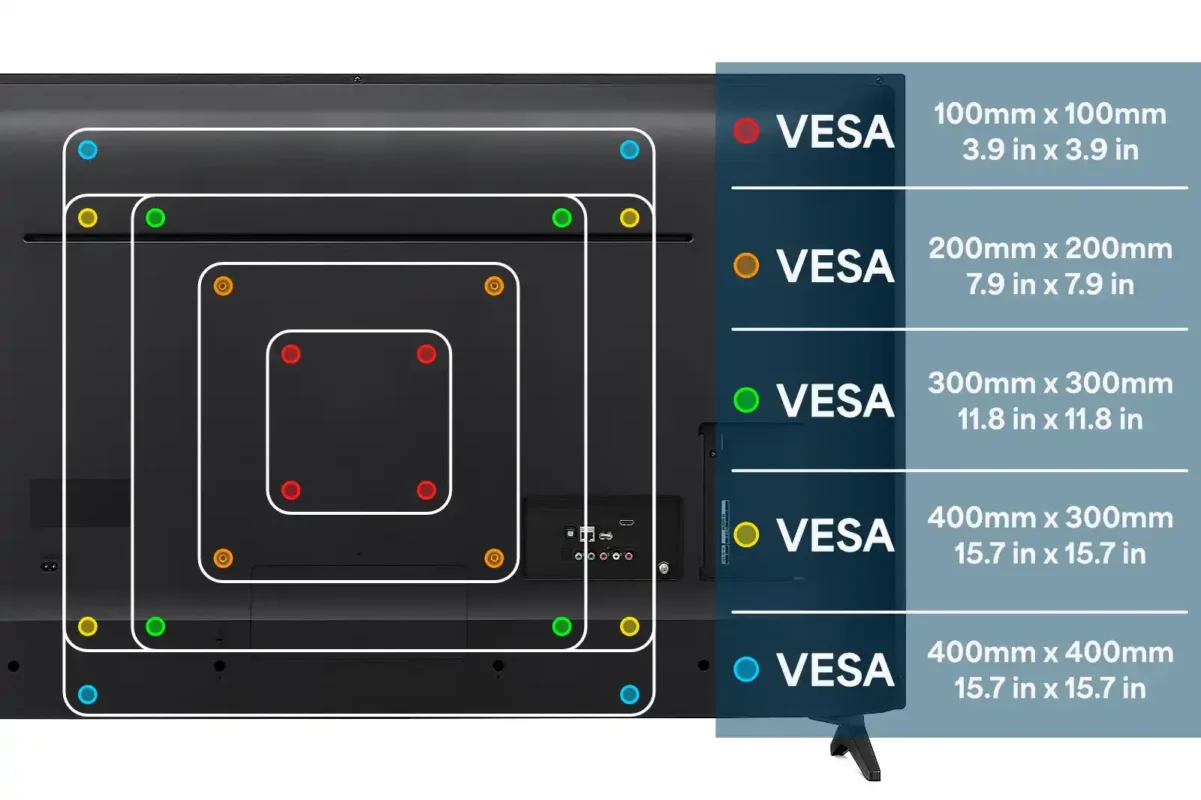
If your TV stand uses a mounting bracket to hold the television, you should also check its VESA compatibility.
VESA refers to the standardized spacing between the mounting holes on the back of a television. It is normally expressed in millimeters, such as 200 × 200 mm, 300 × 300 mm, 400 × 400 mm, or 600 × 400 mm.
You can usually find your TV’s VESA measurement in the television’s manual, manufacturer’s specifications, or by measuring the horizontal and vertical distance between the mounting holes on the back of the TV.
The stand’s supported VESA patterns need to match your television. A TV can be within the recommended screen-size range and still be incompatible if its mounting pattern is not supported.
Choose the Right Type of TV Stand
TV stands come in several designs, and the best option depends on how you use your room. A fixed floor stand may be ideal for one setup, while a mobile stand or traditional TV console may work better in another.
TV Floor Stands
A TV floor stand supports the television from the floor rather than requiring it to be mounted directly to the wall. This can be a practical option when you want flexibility or do not want to drill into the wall.
Floor stands are available in different designs, including fixed, adjustable, swivel, and decorative models. They can work particularly well in apartments, living rooms, bedrooms, offices, and other spaces where changing the TV position may be useful.
If you are considering this type of setup, see our TV Floor Stands page to compare the available designs and TV-size options.
Mobile TV Stands
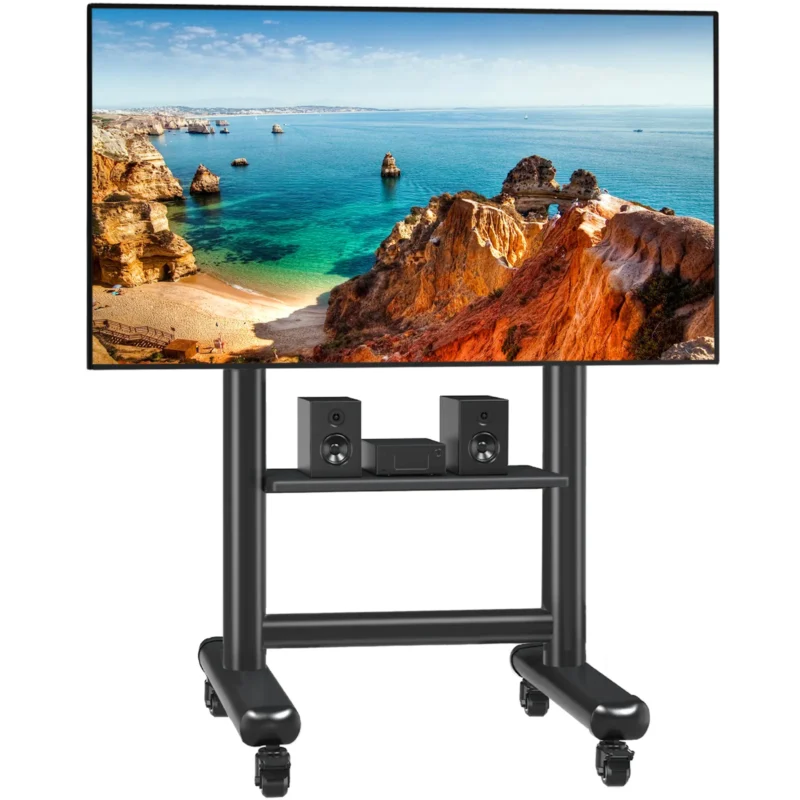
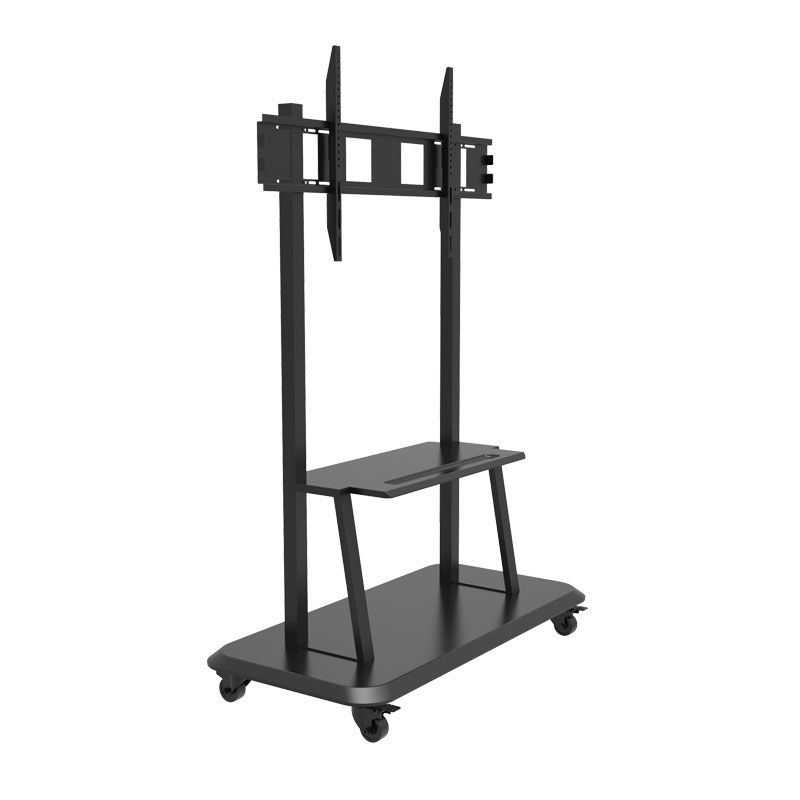
Mobile TV stands are designed with wheels or casters, allowing the television to be moved when necessary. They can be useful in offices, meeting rooms, classrooms, training spaces, and other environments where one screen may need to serve different areas.
Before choosing a mobile model, pay particular attention to the wheel quality, base stability, supported TV size, weight capacity, and locking mechanism. A mobile stand should remain stable when it is stationary as well as when it is being moved.
Tripod TV Stands
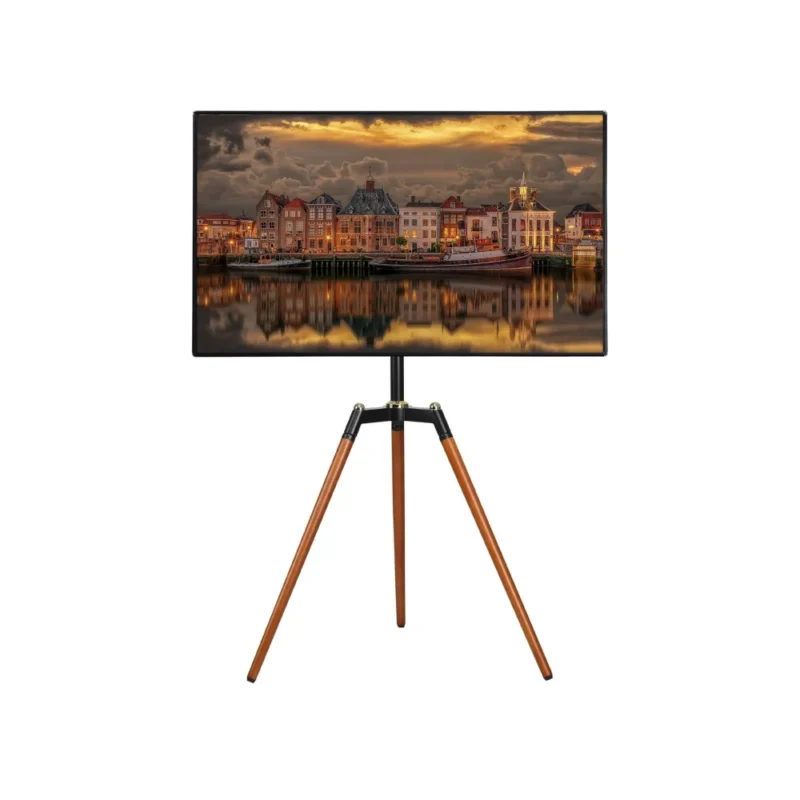
Tripod TV stands offer a different approach to traditional television furniture. Their three-legged design can create a lighter, more decorative appearance while still providing a dedicated support structure for the TV.
They can work well in modern interiors where a conventional TV cabinet may look too bulky. As with any stand, check the supported TV size, weight capacity, and VESA compatibility before purchasing.
If you sell multiple tripod models, link this section directly to your relevant tripod TV stand products rather than creating a generic link to the homepage.
TV Consoles and Traditional TV Stands
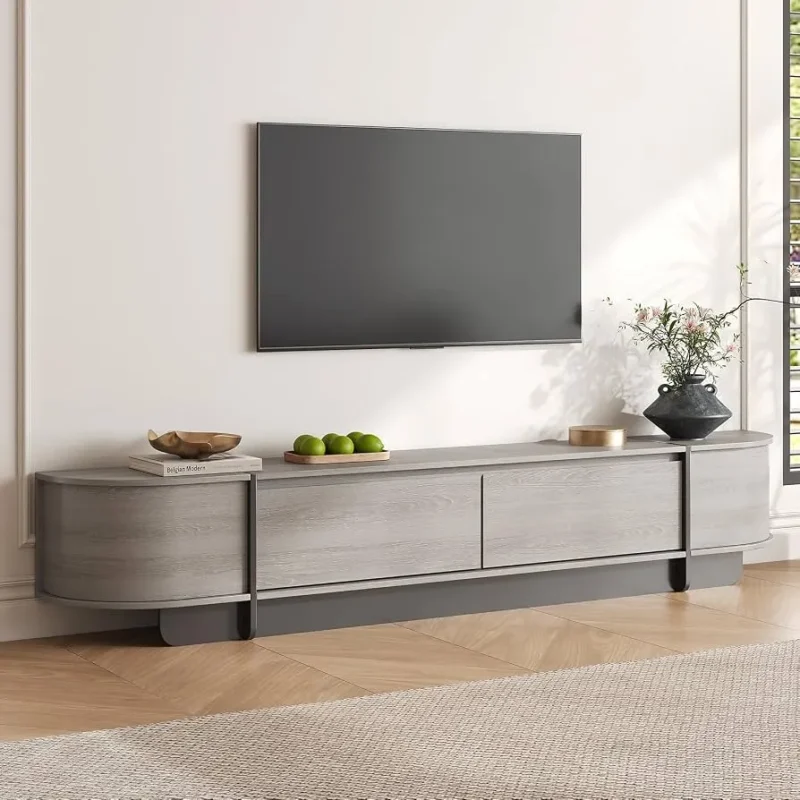
A traditional TV console can be a better choice when you want furniture that provides both television support and storage. Depending on the design, a console can provide space for gaming systems, media players, speakers, remote controls, and other accessories.
When choosing a console, consider both the width of the furniture and the size of the television. You should also make sure the console is designed to safely support the TV rather than choosing one based solely on appearance.
Consider the Width and Height of the Stand
The dimensions of the TV stand should work with both the television and the room. A stand that is too small can make a large television look unbalanced, while an unnecessarily large piece of furniture can dominate a smaller room.
For a traditional TV console, many people prefer a unit that is at least as wide as the television, although the exact proportion depends on the design and available space. The important consideration is that the television is properly supported and the overall setup feels stable.
Height is equally important. The center of the screen should be positioned at a comfortable viewing level for the people who will normally use the room. A floor stand with adjustable height can be useful when the same model needs to work in different environments.
If you are unsure about the appropriate height for your setup, measure the height of your seating position and consider where the center of the screen will sit once the TV is installed.
Think About Where the TV Will Be Used
The best TV stand depends heavily on the room and how the television will be used. A stand that works well in a spacious living room may not be the best choice for a small apartment or a commercial environment.
Living Rooms
For a living room, consider the viewing distance, available floor space, furniture arrangement, and overall interior style. A traditional console can provide storage, while a floor stand can create a more open appearance.
Bedrooms
In a bedroom, a compact floor stand can provide flexibility without requiring a large piece of furniture. Adjustable height and swivel movement can also be useful when the TV needs to be viewed from different positions.
Apartments and Smaller Spaces
For smaller apartments, the footprint of the stand is particularly important. A floor stand can sometimes provide a cleaner solution than a large TV cabinet, especially when floor space is limited.
If you are renting, a floor stand may also be appealing because it can reduce the need for permanent wall modifications.
Offices and Commercial Spaces
Offices, meeting rooms, classrooms, restaurants, and other commercial environments often benefit from mobile or adjustable TV stands. Mobility allows a display to be repositioned according to the room’s purpose.
For commercial installations where the television needs to be mounted securely and positioned correctly, consider our [TV Installation Services in Riyadh] page.
Decide Whether You Need a Fixed or Adjustable Stand
A fixed TV stand is designed to hold the television in a predetermined position. This can be a good option when the room layout is permanent and you do not need to change the viewing angle.
An adjustable stand gives you more flexibility. Depending on the model, you may be able to change the height, tilt the screen, or swivel it from side to side.
Think about how people will actually watch the TV. If everyone sits directly in front of the screen, extensive movement may not be necessary. If the television needs to be viewed from different parts of the room, adjustable or swivel functionality can be much more useful.
TV Stand or Wall Mount: Which Is Better?
There is no single answer because the right choice depends on your room, wall, furniture arrangement, and personal preference.
A TV stand can be a practical choice if you want flexibility, do not want to drill into the wall, or expect to move the television in the future. Floor stands are also useful when the wall is unsuitable for mounting or when you want the TV to remain independent of the wall.
Wall mounting can create a clean, space-saving appearance and can be particularly useful when floor space is limited. However, the wall needs to be suitable for the installation, and the mounting method needs to be appropriate for the television and wall construction.
For professional mounting, cable management, and installation on different wall surfaces, see our TV Installation and Wall Mounting service page.
Don’t Forget Cable Management
A good TV setup should look organized from both the front and the sides. Power cables, HDMI cables, gaming consoles, soundbars, streaming devices, and other equipment can quickly create visible cable clutter.
Some TV stands include cable-management openings or channels that allow cables to be routed through the stand. When comparing products, check how cables are handled and whether there is enough space for the equipment you intend to connect.
If you are building a complete TV setup, plan your cable connections before positioning the stand. This can make the final installation much cleaner and easier to maintain.
What Makes a Good TV Stand?
Before purchasing, use the following checklist to make sure the stand is suitable for your television and room:
- Correct TV size compatibility
- Suitable weight capacity
- Matching VESA compatibility where applicable
- Stable construction and base
- Appropriate stand height
- Suitable width and footprint
- Cable-management options
- Required swivel or adjustment features
- A design that suits the room
- Appropriate installation and mounting hardware
A good TV stand should solve the practical requirements of your setup while also fitting naturally into the room.
Conclusion
Choosing the right TV stand starts with compatibility rather than appearance. Check your television’s size, weight, VESA pattern, and dimensions first, then consider the height, stability, movement, cable management, and overall design that suit your room.
Whether you need a traditional TV console, a fixed floor stand, a mobile TV stand, or an adjustable model, the right choice depends on how and where you plan to use the television.
At Masheera Interiors, we provide a range of TV stand solutions for homes, apartments, offices, and commercial spaces in Riyadh. Explore our TV Stands collection to find a suitable option for your television and setup.